Exploration
Ideas
What if you could shape a solar system instead of placing one? That's where Star Seed (working title) began. We haven't run out of questions.
Independent games. Human-led, AI-assisted.
Independent games for curious minds.
Playful systems, odd planets
and a few questions that got out of hand.
From idea to playable
A game starts with a question that won't leave us alone. Then we have to make it worth playing.
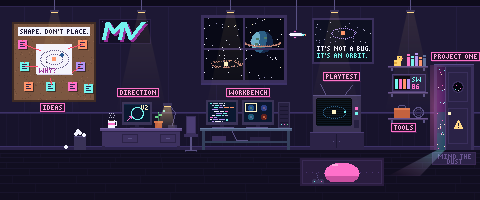
Exploration
What if you could shape a solar system instead of placing one? That's where Star Seed (working title) began. We haven't run out of questions.
Human judgment
The creative calls are ours. Sometimes that means letting go of an idea we were annoyingly pleased with.
Development
Codex and Claude help us build. We're the ones deciding what to make and whether it's any good.
Human feedback
Then humans play it. A feature can look brilliant on paper and be a pain to use. Finding that out is the point.
Utilities
Small tools for keeping track of the work and the machine. SYSWAVE-86 shows system readings, VectorMap maps your projects, and AI Usage Monitor tracks supported AI usage windows. See Downloads for requirements and setup details.
Explore all DownloadsIn development
First up: Star Seed (working title). It's an early playable prototype about shaping a solar system. Come and have a look.
Explore the project02 / Inside MYTHVECTOR
Humans make the creative calls. AI helps us explore and build. Playtesting shows what needs another go.
Humans / Creative direction
Humans set the creative direction, decide what matters and choose what belongs in MYTHVECTOR’s games.
AI / Creative and technical support
AI helps with research, code, visual exploration and iteration. People set the direction for that work and review it as it develops.
Playtest & review / Reality check
Plenty of ideas look good on paper. A playable build shows how one looks, how it behaves and whether it feels right. That's where the next round of work starts.


Project OneStar Shepherd
Concept trailer · not gameplay · original ending
Keep scrolling
03 / Our first project
Prototype in developmentA young solar system.
Some assembly inevitable.
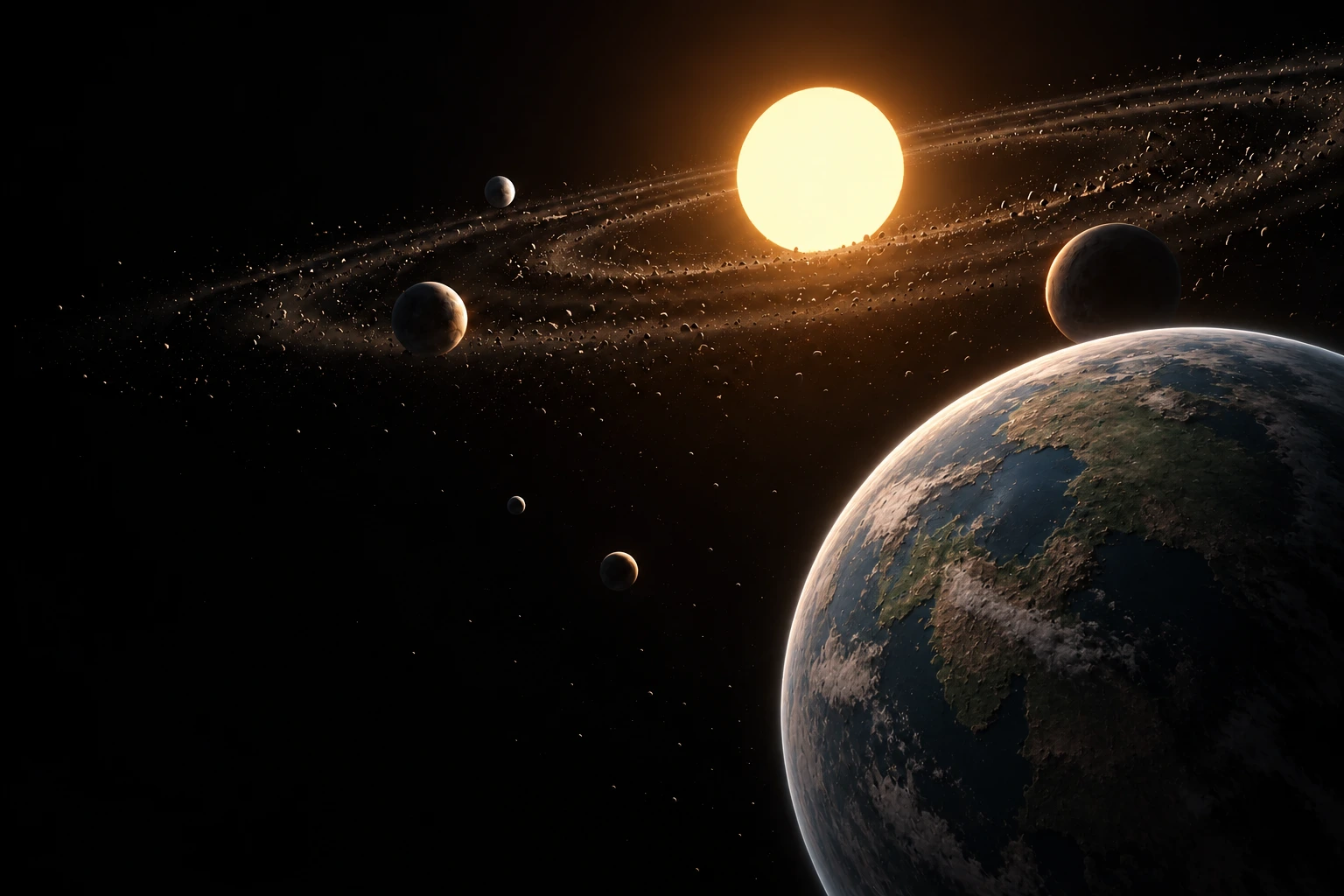
An emergent formation sandbox
Gather dust. Nudge an orbit. Watch worlds collide, cool and change. The playable prototype of Star Seed (working title) explores the first chapters of a solar system, with a finite supply of material and consequences you can see.
Further out, the long-term vision runs from that first dust to living planets, civilizations with their own character and, eventually, their first trips into space. That part is exploratory. The roadmap shows what the prototype does today.
Playable prototype / Still in development
Where things standShape a disk of dust, form young worlds and watch gravity and impacts rearrange the system.
Cooling surfaces, changing atmospheres and where the water ends up. The work now is making those changes easier to read on each world.
Life, civilizations and spacecraft that might eventually arise on worlds you helped make possible. Exploratory and unscheduled.
04 / The science underneath
Three established ideas that informed our collision research. These are physical foundations, not specifications or accuracy claims for the game’s solver.
In an isolated collision, motion is redistributed between bodies and debris while their combined momentum stays the same.
Momentum is mass × velocity. Count all collision material and assume negligible net external impulse.
Try it Worked example · arbitrary units
A moves at +3 and B at −2. They collide and stick together. The arithmetic of the equation above, not the game’s solver.
For the same two masses, twice the relative speed means four times the energy in their relative motion.
Classical translational energy before impact, in the center-of-mass frame. It doesn't decide the outcome on its own, and not all of it becomes heat.
Explore collision energy · MIT
Try it Worked example · same two masses
Energy in the relative motion scales with the square of the relative speed. The arithmetic of the equation above, not the game’s solver.
Gravity pulls masses together. Double their separation and the attraction falls to one quarter.
For Newtonian point masses, or non-overlapping spherical bodies. Here, r is center-to-center distance and G is the gravitational constant.
Try it Worked example · same two masses
The attraction falls with the square of the separation. The arithmetic of the equation above, not the game’s solver.
05 / Open development
Star Seed (working title) is still an early prototype. No release date has been announced. The roadmap sorts everything into three piles: what's in the prototype now, what we're planning and what we're only exploring.
06 / Development roadmap
Star Seed (working title) is a single-player, science-informed creation sandbox, starting with dust around a young star. Here’s what the prototype does today, what needs work next and where the longer-term ideas might lead.
Gather and influence dust, watch bodies form and interact under gravity, and follow young rocky worlds as they develop. Early atmosphere and water behavior, Inspect explanations and adjustable time controls give you enough to watch cause and effect play out. The prototype still has unsupported conditions and unfinished presentation, and we're still evaluating recent improvements.
We plan to improve camera follow, body selection and plain-language explanations, so finding your way around a world feels natural. We also want water, atmosphere and formation transitions to be easier to read, and planetary evolution to behave more reliably across a wider range of conditions. The aim: when a world changes, you can see why, and see what your own nudges did to it.
These themes are unscheduled design directions, not implemented gameplay or guaranteed features. Their scope and order may change as the core experience develops.
We're exploring systems with moons, rings and asteroids as well as planets. The moon and ring concepts build on a system's history: an impact could leave material that becomes a lasting companion or a visible ring. The goal is for these to come out of the worlds you shape. You wouldn't pick a finished moon from a menu.
We're exploring starting systems around stars with different colors, sizes and temperatures, with red dwarfs and binary systems among the possibilities. Different stars could give each system its own conditions and problems to work around. An optional habitable-zone view could help explain one part of a world's environment; being in that zone would never mean that life is guaranteed.
Further out, the vision runs from potentially habitable environments to possible life, ecosystems and distinct civilizations. Zooming toward a world might show biological change, settlements, lights and, eventually, launches into space. Civilizations could follow different paths, including setbacks, collapse and recovery. You would influence the conditions around them and find out what happened next. You would shape their conditions rather than manage every citizen, and you couldn't guarantee their success.
The idea is that you could choose a star from a galaxy view, name the system you help create, then start again somewhere else without throwing away your earlier worlds. We'd like you to be able to save and revisit multiple systems, so a barren world or an unfinished experiment still has a place to go. This remains a single-player vision. How systems change while you're away is still being explored.
A civilization that reaches space might visit other worlds, establish colonies or eventually transform a barren environment. More distant science-fiction possibilities include wormholes or discovered gateways connecting player-created systems. These ideas could let the histories of separate worlds meet. Their travel rules, availability and effects remain open design questions; wormholes and gateways are speculative fiction, not claims about established science.
One long-term idea is to take direct control of a member of a spacefaring species and fly its ship, switching between a first-person cockpit and a third-person view. After helping a civilization reach space, you could explore the worlds you helped bring into being from a very different perspective. That journey would be an endgame reward in its own right.
This is an unbuilt concept under design review. Flight mechanics and its place in the wider game are still being worked out.
From the actual game / Development journal
A few favourite views from the making of Star Seed / Star Shepherd. Follow the changing stars, worlds and light through a rough visual timeline.
Actual development captures, not concept art. Dates follow capture records, not release dates. These are different playtest scenes, not controlled before-and-after comparisons. Work in progress.
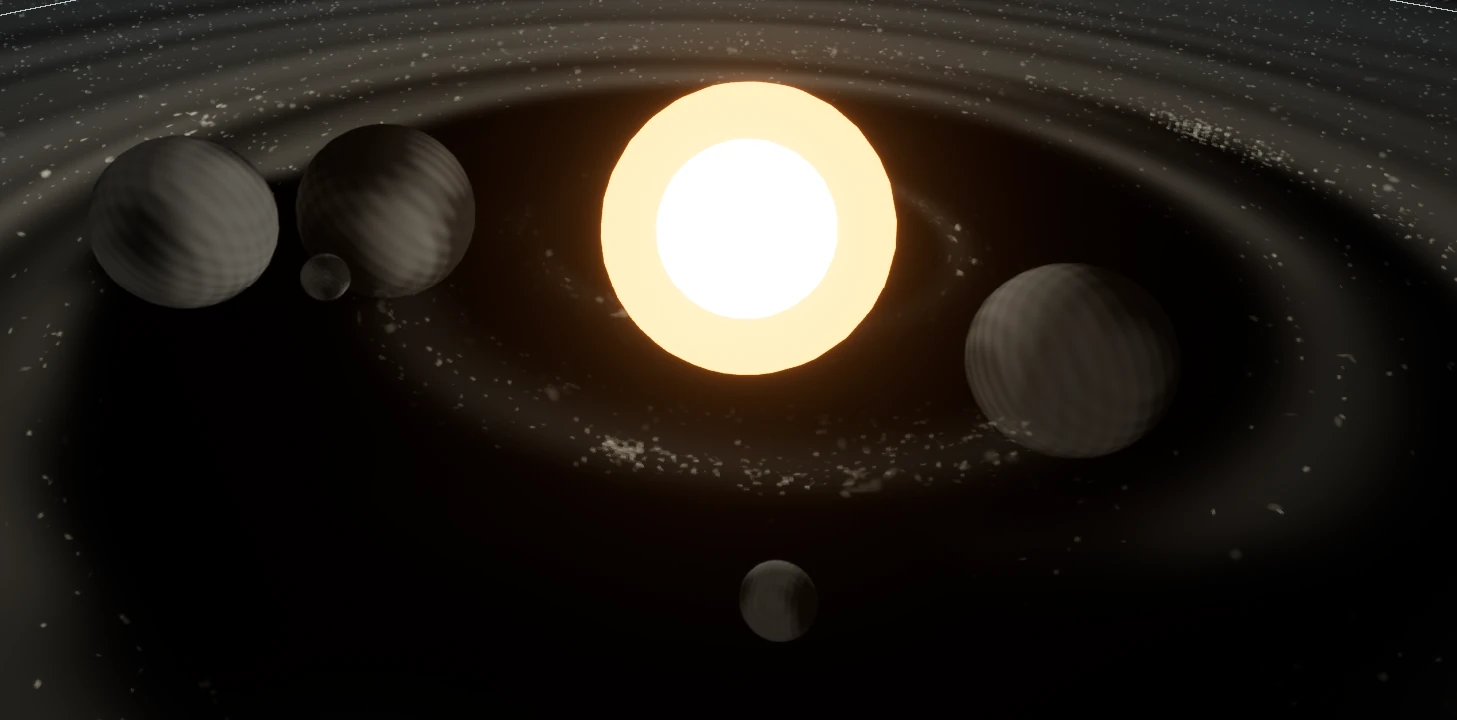
6 October 2026
Rocky worlds, a bright-ring star and a disc still full of material.
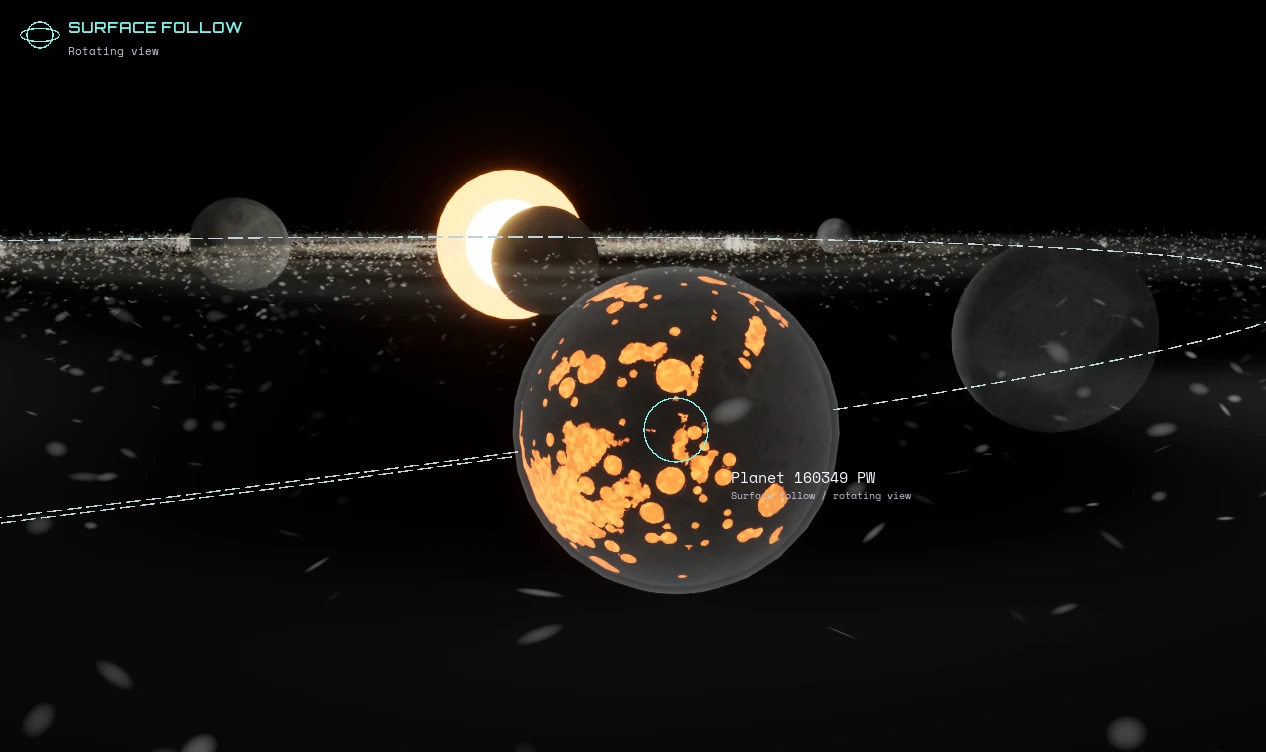
13 October 2026
A closer view of the worlds: glowing patches, dark crust and bodies passing in front of the star.
22 October 2026
The star gets a closer look: granular surface detail, dark spots and looping prominences. Two views from the same day, from surface detail to the surrounding system.
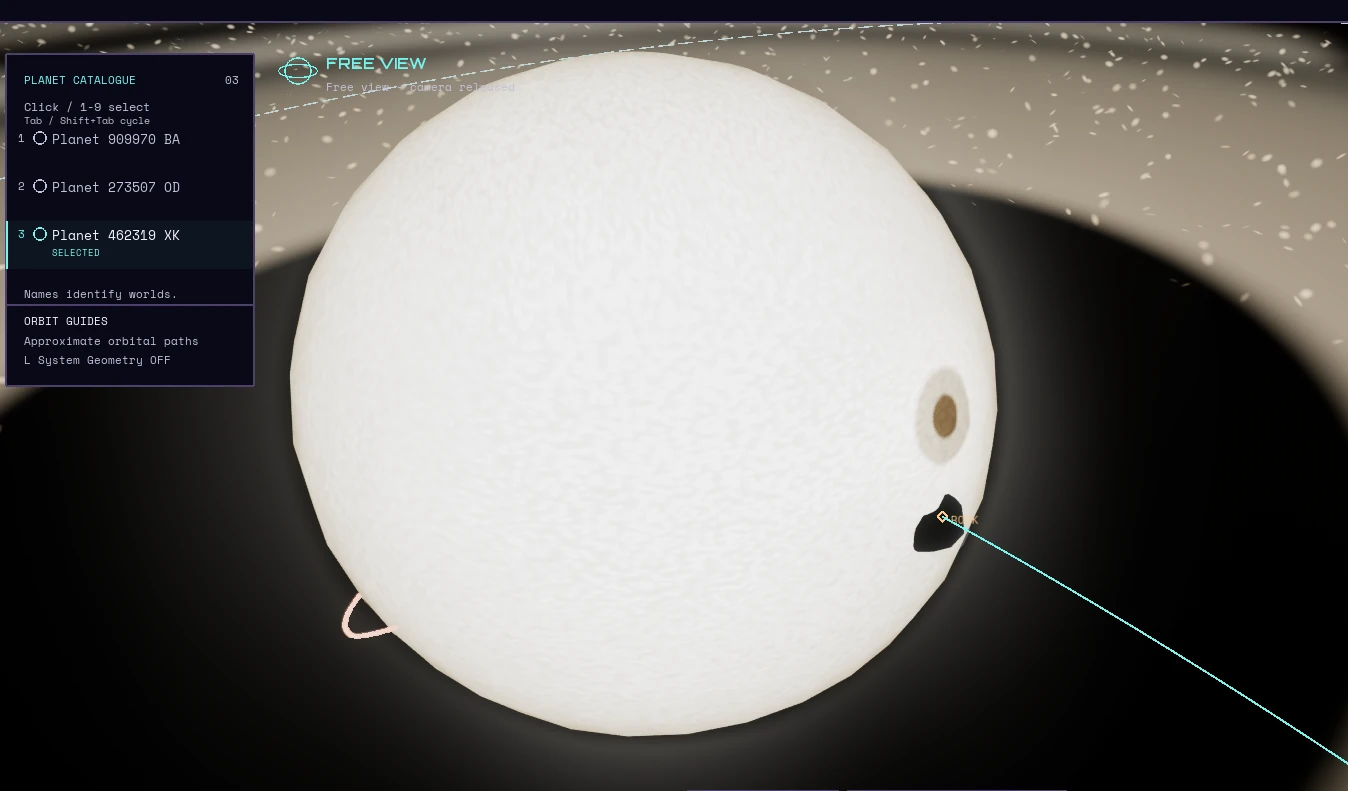
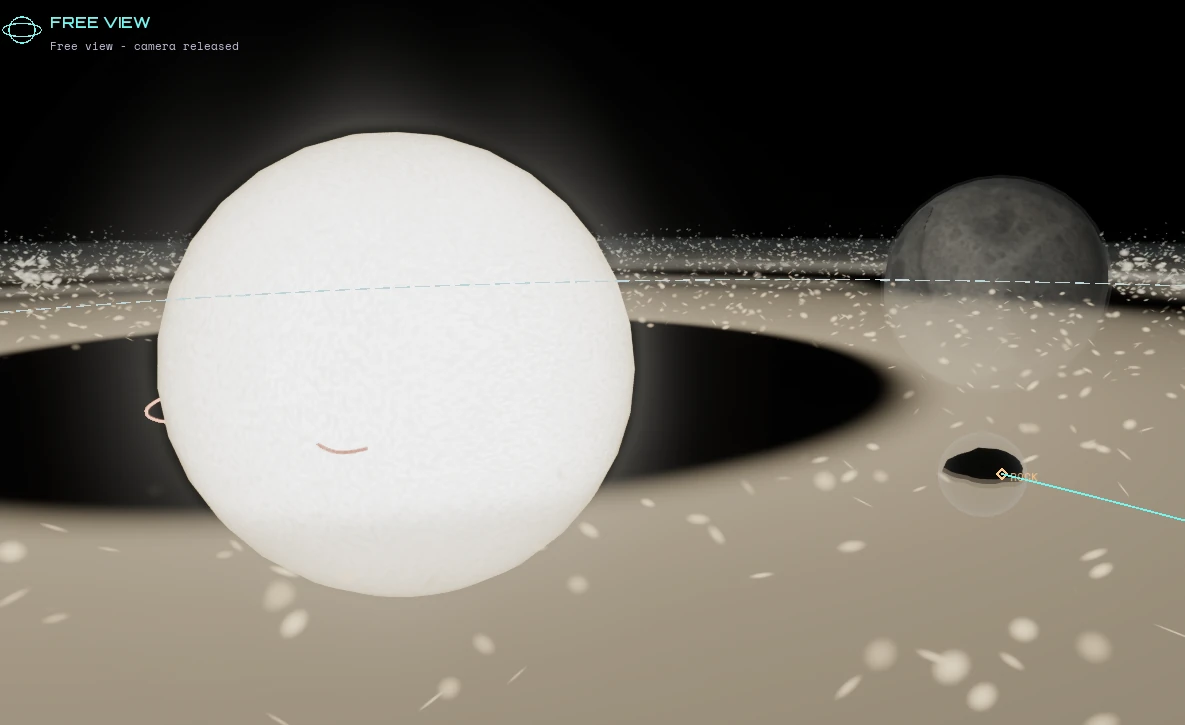
25–26 October 2026
Two different scenes: colour and an atmospheric rim, then a shadow crossing a rocky neighbour.
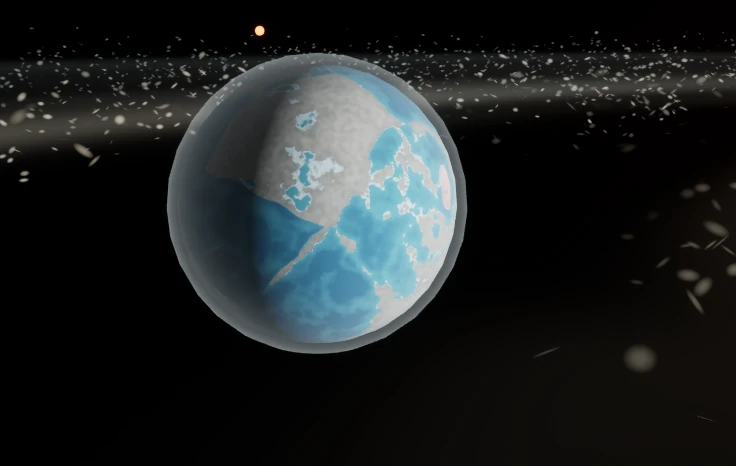
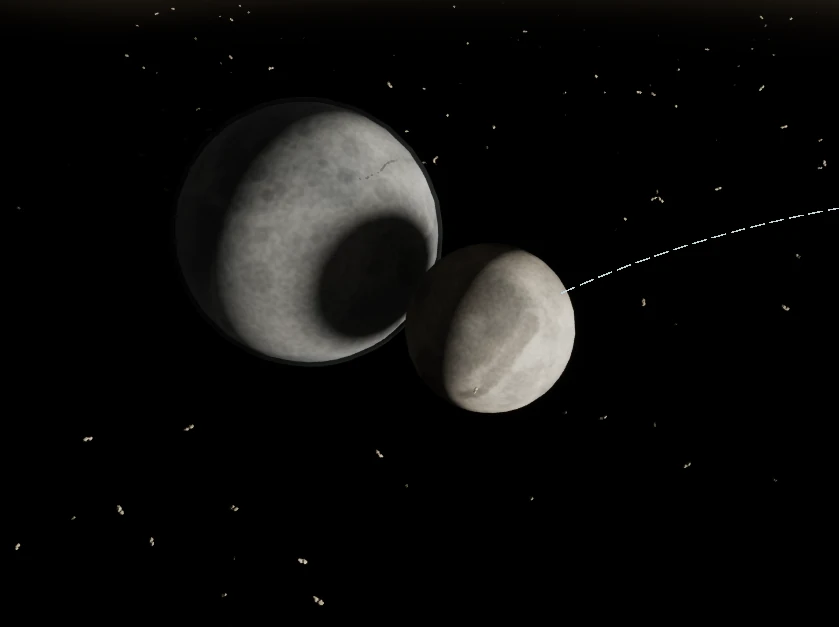
27 October 2026
The wider view: planetary scale, the dusty disc and an asteroid’s flight during a development playtest.
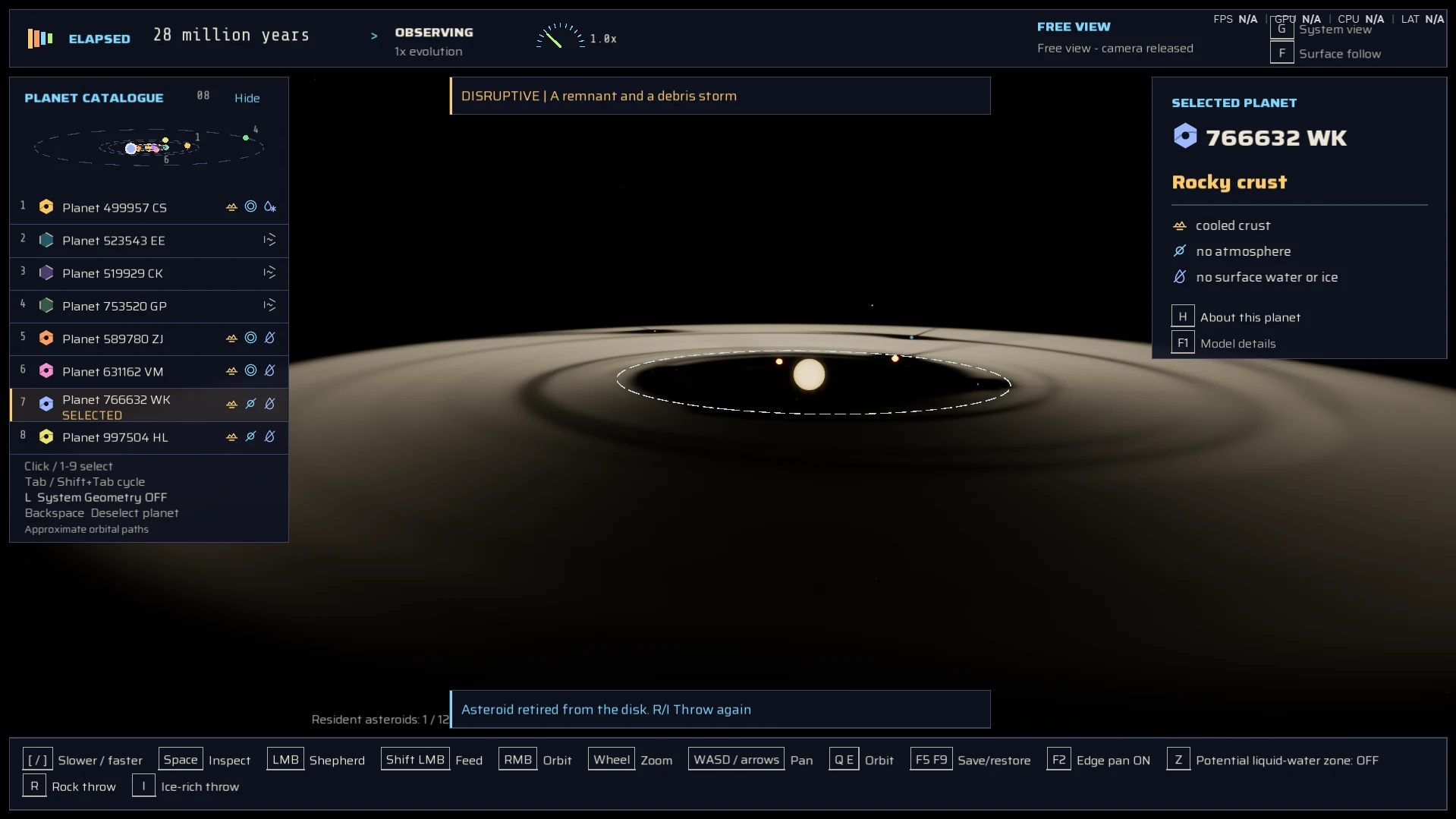
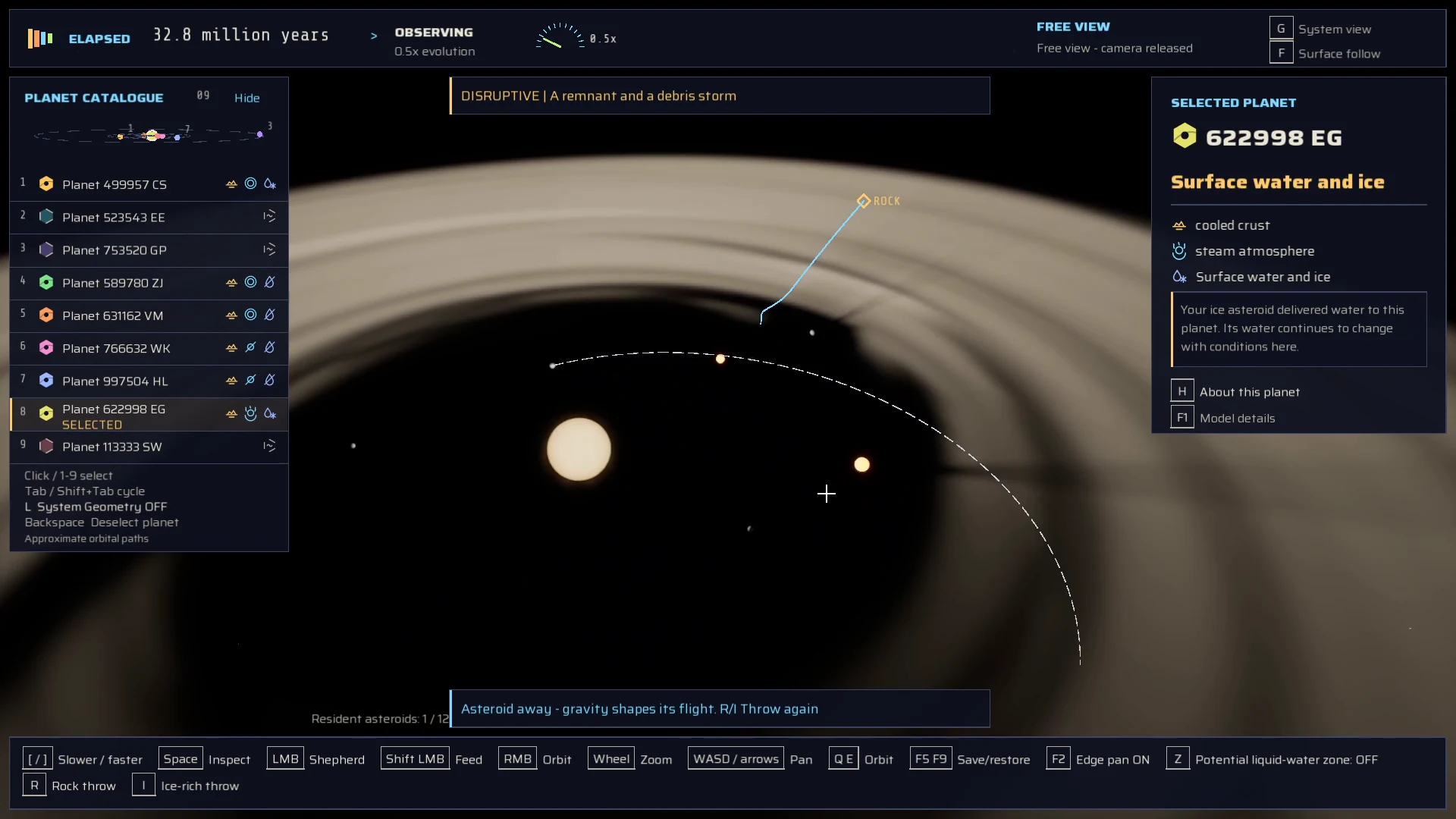
28 October 2026
The latest development captures bring a blue planetary rim and the star’s textured surface into focus. Two views from the same evening’s playtest.
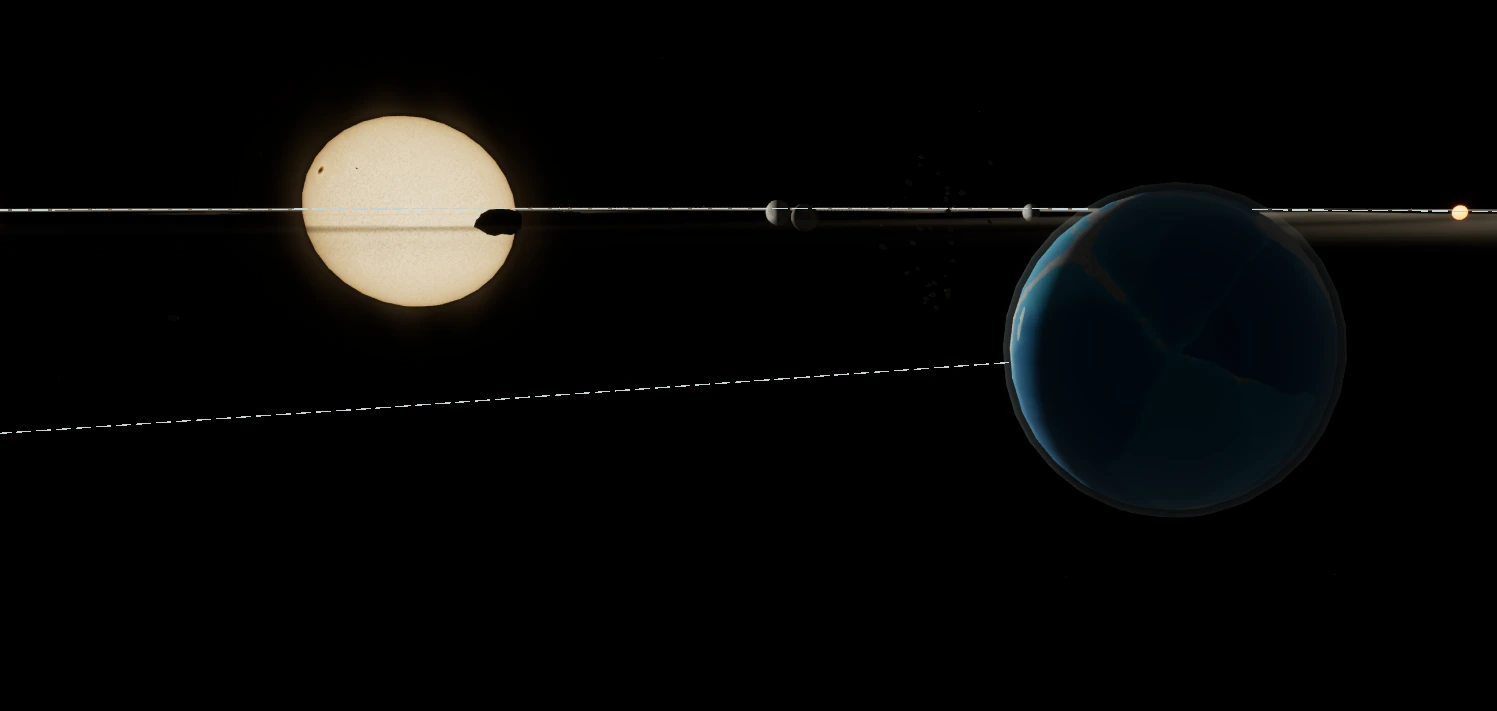
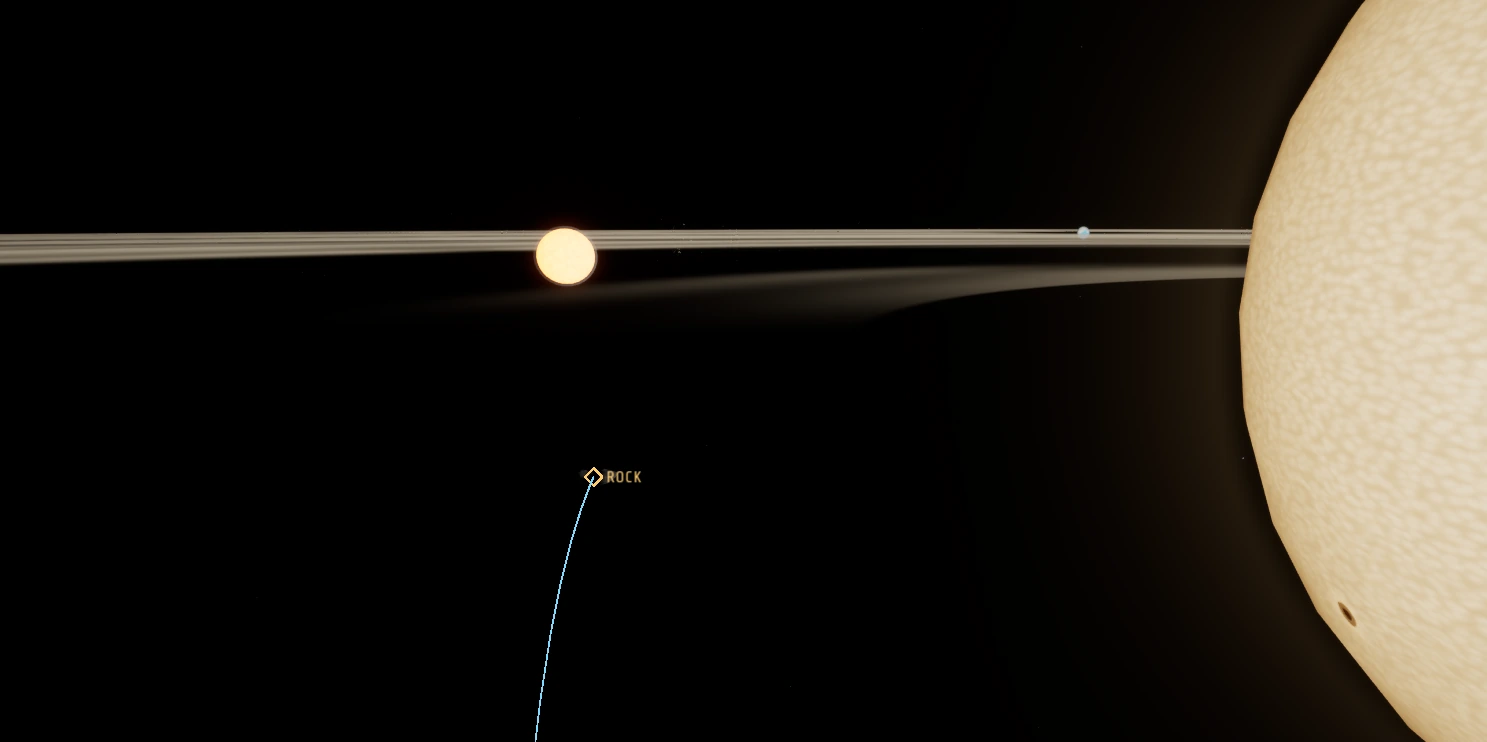
17 November 2026
A cloud-covered world, smaller companions and a transit across the textured star, seen through the dusty orbital plane.
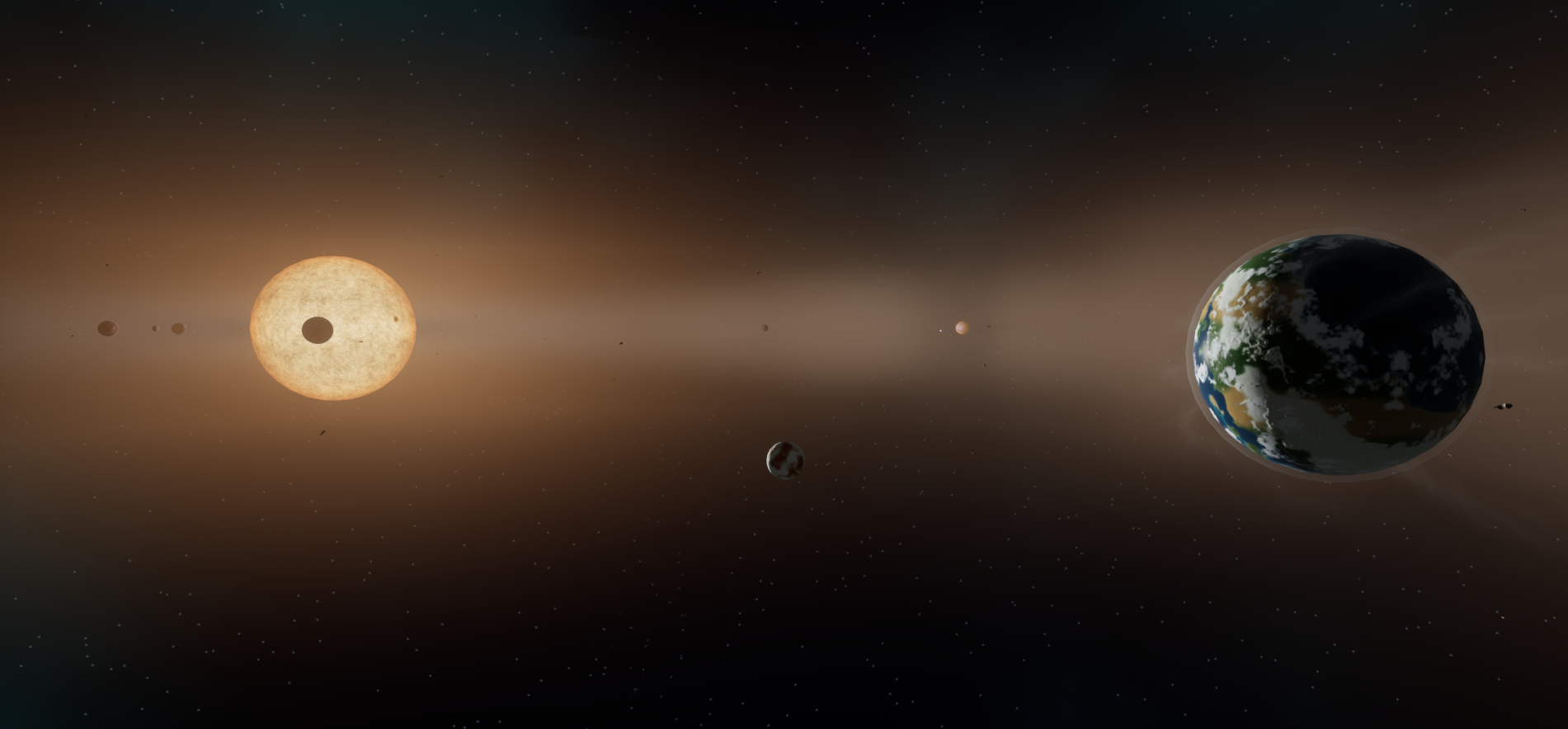
· The roadmap now separates prototype foundations, planned priorities and exploratory future themes. We're still evaluating the current presentation and usability improvements, and unsupported heating conditions remain unresolved.
Dates mark this public status snapshot. Concept art explores possible future species and vehicles; it does not represent implemented gameplay. No launch date or feature delivery dates are announced.
07 / Cost model
Estimated human effort to recreate the completed scope without generative-AI assistance, priced using 2023 U.S. wage benchmarks, modeled benefits and assumed business costs.
Human-studio model · 2023 USD
≈ $850,000
Illustrative effort range: $500,000–$1,310,000
Game development, concept work, the studio website and utility tools, plus documented exploration and delivery support.
Illustrative estimates in 2023 U.S. dollars, not actual spending, verified savings, project valuation or a market quote.
Updated to the stated scope cutoff using the same 2023 model. The total has risen because more work is complete; the pricing method has not changed.
Modeled hourly rate = BLS May 2023 occupation mean wage ÷ 0.704 × 1.25. The 0.704 uses the December 2023 private-industry wage share of compensation as a broad benefits proxy. The additional 25% is an assumed business-overhead and margin allowance, not an observed studio markup.
Estimated human hours are multiplied by those rates, with the existing contingency applied once: 10% on increments; the original prototype retains 10% for its base case and 15% for its low/high cases. Role proxies and hours are assumptions, not measured human time logs. Technical QA rates also stand in for some routine support and research; that broad proxy may overstate a lower-cost staffing mix. Employee wages are not studio billing rates.
Ranges are illustrative effort scenarios, not statistical confidence intervals or a full range of market quotes. The no-generative-AI effort assumption is judgment-based; 2023 is the pricing year, not a claim that AI did not exist then.
The total includes completed game development and studies, retained editable concept assets, the studio website, utility-tool work, documented creative exploration and delivery support. Concept studies are not finished production-rigged assets. Only completed scoped work through the cutoff is included; elapsed time does not automatically increase the estimate.
These are scope-based human-hour judgments, not measured time logs. The combined model covers completed prototype development, studies, retained concepts, documented creative iterations, website and utility-tool work, and delivery/support work through the stated cutoff.
| Work category | Low hours | Base hours | High hours | Base labor* |
|---|---|---|---|---|
| Engineering & technical investigation | 2,318 | 3,862 | 5,782 | ≈ $448,100 |
| Concept art, visual design & creative iteration | 1,158.75 | 1,984.5 | 3,113 | ≈ $185,300 |
| Testing, review, delivery & research support | 883.75 | 1,488.5 | 2,317 | ≈ $137,800 |
| Total estimated labor | 4,360.5 | 7,335 | 11,212 | ≈ $771,200 |
*Labor amounts in the table are rounded to the nearest $100 and exclude contingency.
The base case splits engineering into 3,663 software hours and 199 web hours; visual work into 1,316 concept-art hours and 668.5 visual-design hours; and testing/review/support into 1,488.5 hours. Calculations retain full-precision model rates rather than the rounded rates shown here.
Using those unrounded rates gives approximately $771,191.06 in base labor plus $77,119.11 in existing contingency: $848,310.17 combined, rounded to the nearest $10,000 and shown prominently as approximately $850,000. Displayed labor rows are rounded to the nearest $100. Base labor, contingency and the combined amount are each rounded independently to the nearest cent.
The low and high calculations are approximately $508,766 and $1,300,113, with the low bound rounded down and the high bound rounded up to the nearest $10,000 for the $500,000–$1,310,000 effort range. They vary estimated effort while keeping the 25% business allowance fixed. This is not a statistical confidence interval or evidence of a price a studio would quote.
Official benchmarks: software developers · effects artists and animators · software QA · web developers · digital interface designers · December 2023 employer compensation.